Compare Home Builders
Buying a new house will be one of your single biggest financial investments you will make, and as such, your new home's energy effectiveness need to be among your main concerns. Now may be a good time to maximize a sluggish housing market, low rates of interest and homebuilders that aspire to add incentives, allowances and particularly, energy effective upgrades.
Homebuilders today are using several kinds of energy effective functions in their houses', this enables homebuilders to qualify for the EPA's Energy Star designation. Energy Star rankings are given out by an independent 3rd party and these findings are based upon that particular homebuilder's products, materials, and overall building and construction approaches.
New homes with this Energy Star designation ought to be offered cautious consideration when you are trying to limit your new house choice process. Keep in mind that not all homebuilders build their houses the exact same way, so you must begin your queries regarding the specifics of the homebuilder's energy performance features and compare which will supply you with greatest advantages for your investment.
Framing that Counts
The type of framing is a great beginning, 2x4 or 2x6 exterior building for example, allows you to identify the R-value or insulation thickness of the walls. You may likewise want to ask as to whether the builder's brand-new homes have any exterior plywood wall sheeting as part of their building, as it boosts the home structurally and contributes to the houses R-value.
Outside surfaces such as siding or stucco, for example, do very little in the way of increasing the home's energy performance. Depending upon your house contractor, another alternative you should strongly consider is thermo resistant roofing system sheathing, this product can considerably reduce the summer heat in your attic (30 degrees cooler typically). With a difference of a few dollars a sheet, (5/8") this roofing system sheathing need to be a standard in the construction of your house.
Air Conditioning and Heating that Saves You Cash
The air conditioning & heating system is single most significant customer of electrical power and gas in a house. That is why the efficiency of the HVAC system is so very crucial. The cooling system is measured by a SEER (Seasonal Energy Effectiveness ratio) ranking and is given a coefficient or number, the greater the number the more effective the system converts electrical energy into cool air for your house. For example: new Energy Star houses ought to have a SEER rating of 14, which is enhanced over the standard SEER 12 or 13, from years past.
There are presently upgraded ac system on the market that have a SEER ranking of as much as 23. These systems perform at different speeds, which permit them to offer you an even greater performance. However keep in mind, no matter what SEER ranked ac system you have, if your home isn't effectively insulated you won't have the ability to take advantage of the air conditioning system's full capacity.
Energy Efficient Windows makes a Difference
If reducing your cooling and heating costs interest you, then having windows with a good R-value is necessary to your house's overall energy performance.
When comparing different windows with other homebuilders, here are a few things to consider; there are 2 R-values to consider for your windows: one, for the glass itself (normally determined at the center of the window) and one for the entire system, consisting of the frame.
The greater the R-value a window has, the lower the U-value needs to be. The rate of heat loss is indicated in regards to the U-factor (U-value) of a window's assembly. The lower the U-factor, the greater a window's resistance to heat circulation and the better it's insulating homes.
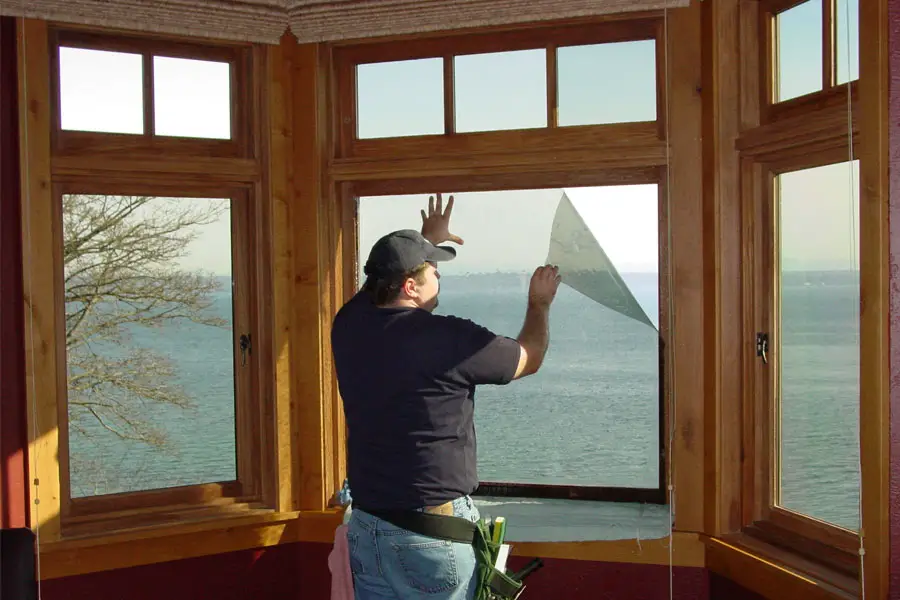
Your windows ought to have a low Solar Heat Coefficient ranking as well, which suggests the amount of sunshine going through a window as heat, the lower the number, the more effective the window. In addition, a contractor that has an Energy Star medallion on his design houses need to provide windows with LOW e tinting as a requirement.
A Well Insulated House is the Secret
Your research needs to also consist of the R-value of the duct work and the attic also. Common duct work has between an R-value between 4 to 8, this is the minimum, R-12 or better is suggested. Attic insulation is likewise an important issue as to your house's energy efficiency.
The requirement on new houses is normally R-30 or 38, whether it is Batt or blown insulation will depend upon your home contractor. A lot of builders offer an option to update the attic insulation from R-30 (standard) to an R-45 or in many cases R-60. Keep in mind, when inquiring or working out insulation upgrades, it is one of the most low-cost products for a homebuilder to set up and the charge needs to be extremely minimal, if at all.
If your brand-new house is going to be a 2 story, your homebuilder needs to use an alternative to insulate the downstairs ceiling. You should highly consider this choice, specifically if your new home has 2 or more HVAC systems (up & downstairs). It considerably minimizes your downstairs conditioned air from getting away through the ceiling, in addition to producing a good sound barrier from the upstairs.
The garage is one location of the home that is greatly neglected by numerous homebuyers and home builders alike when it pertains to energy efficiency. Although it is seldom inhabited, it is still a part of your house and need to be secured from the components, specifically if there are bedrooms or a living room above. An updated R-60 insulation in the ceiling is extremely suggested. Insulating the outside walls and an insulated garage door can help in reducing the temperature variations from the garage and the rest of your home.
Quality You can Feel
Viewing your new house being constructed can be an emotional time. You will find the urge for continuous involvement in your house's construction. Numerous new home builders understand this desire and give you a chance to carefully take a look at the inner functions of your new house, by scheduling what is called a "frame or choice" walk-through.
This is where you will discover the walls still exposed, and you will able to plainly see the internal mechanics of your brand-new house (electrical wiring, recessed lighting, rough pipes, duct & venting. This is the stage of construction just before the insulation is to be set up.
This walk-through allows you an opportunity to meet with contractor's representatives and examine your home's development, construction methods, quality, as well as, examining the installation of the alternatives you might have purchased, such as: electrical (extra outlets, recessed lighting & positionings, and so on) cable, pipes and extra spaces or conversions (except insulation).
This walk-through is really casual, although for some perhaps complicated, so if you would feel more comfortable you might welcome a qualified "3rd party" or pal to join you.
At this moment you should closely examine the quality of building and reveal any concerns you may have, such as: the condition of the stud walls (twisted or bowed, if any), the sealing of all draft stops and wall fire stopping (8'above bottom plate). Ensure that all the penetrations (water & waste piping, duct and electrical circuitry is thoroughly sealed, either with foam or batt insulation. You need to likewise check the gap between the frame of your windows & exterior doors and the stud wall are properly sealed or insulated, this will considerably reduce cooling and heating loss after drywall is set up.
If your brand-new home is to be a two story, the nearby walls of the home and the garage ought to be draft stopped above the ceiling line to the bottom of the second flooring. Shutting out this air from aerating into the living area from the garage is essential due to the fact that, one, it prevents fire from spreading from the garage to very first floor ceiling of your house, and two, the garage is usually not air conditioned.
For that reason the ceiling above undergoes transformations in temperature level and venting Home window tinting this air into the remainder of the house is expensive to the energy effectiveness of your brand-new house. This kind of draft stopping could be performed quickly by your contractor at the time the home is initially being framed. However these measures are not required, (unless structural crafted) by lots of municipal building codes throughout the nation, for that reason it is rarely done by homebuilders.
At this stage in building and construction you will likewise discover that the exterior vapor barrier or in the "south west", the stucco lathing ought to have been set up. You ought to analyze this product carefully, (from the within), and explain any rips or tears that might have taken place. The bottom of this material, at the sill plate, need to also be sealed with foam insulation or caulk, this will prevent outdoors hot & cold air vapor from penetrating the wall cavity.
If these items have actually not yet been carried out, you may want to schedule another walk-through, preferably after all the "foam prep" and insulation has been set up.
After the drywall has been installed, among the very best methods to prevent against heating and cooling leaving into the walls, is to have your contractor caulk the brand-new drywall at the floor, (upstairs & down), in addition to, the electrical boxes, recessed lighting and pipes protrusions around your entire home (every wall). All this should and can be done easily by the contractor prior to the baseboard and trim products being set up, by the "prep team", right before the "rough" painting of the interior of your house.
The EPA's Energy Star designation is an excellent start to home's general energy performance, but there are lots of things that you can do to ensure your brand-new home is as well constructed as possible. Among those is setting up low-cost insulation where ever possible. The advantages will far out way the little expenses you might have.
With energy conservation ending up being increasingly more prevalent today, acquiring a house that is the most energy efficient as possible is an excellent way of minimizing carbon emissions, helping the environment, and above all conserving you cash.